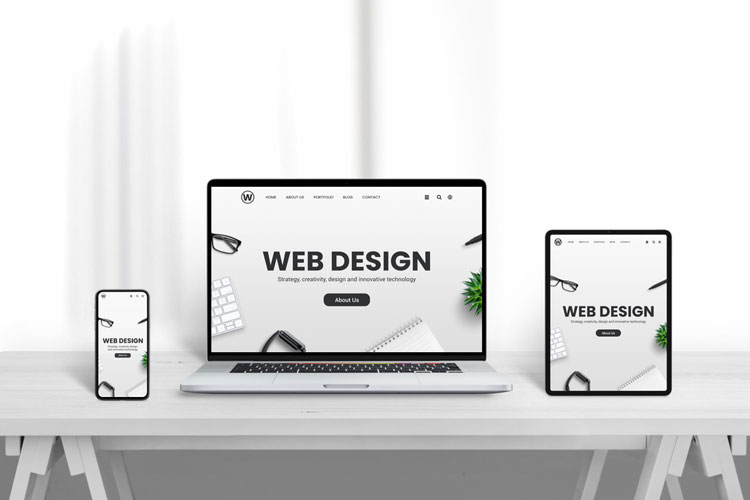
A business website is rarely a “set it and forget it” asset. As technology evolves, search engine algorithms change, and user expectations shift, websites must also adapt. For many businesses, the question eventually becomes whether to pursue a Website Redesign vs Refresh. Understanding the difference between these two strategies can help organizations invest wisely and ensure their website continues to support marketing, branding, and lead generation goals.
Both options aim to improve the performance and appearance of a website, but they differ significantly in scope, cost, and impact. Choosing the right approach depends on your website’s current condition, your business objectives, and how much change is necessary to achieve measurable improvements.
Understanding the difference between a redesign and a refresh
A website refresh typically focuses on updating specific elements without altering the entire structure of the site. This might include visual enhancements, content improvements, or adjustments to user interface elements. The goal is to modernize the site while preserving the underlying framework.
A website redesign, on the other hand, involves a more comprehensive transformation. It may include rebuilding the site architecture, updating navigation systems, redesigning layouts, optimizing mobile responsiveness, and integrating new technologies. A redesign often occurs when the existing site no longer supports business growth or modern digital standards.
Understanding the Website Redesign vs Refresh decision begins with evaluating how well your current website supports both users and search engines.
When a website refresh makes sense
A refresh is often the right choice when your website is still structurally sound but needs visual updates or minor usability improvements. Businesses frequently choose this route when they want to maintain the site’s existing framework while improving the overall presentation and user experience.
Common indicators that a refresh may be sufficient include:
- Your website design looks slightly outdated but still functions well.
- Navigation and page structure are still effective for visitors.
- Search rankings are stable but engagement metrics could improve.
In these situations, updating typography, improving imagery, refining calls-to-action, and modernizing design elements can significantly enhance the website without requiring a full rebuild.
Signs your business may need a full website redesign
Sometimes incremental updates are not enough. When deeper issues exist within the site’s structure, performance, or technology, a complete redesign may be necessary.
Several signs point to the need for a full redesign:
- The site is not mobile-friendly or performs poorly on smartphones.
- Pages load slowly or technical errors affect usability.
- The website architecture no longer supports SEO growth.
In these cases, the decision between Website Redesign vs Refresh becomes clearer because a refresh cannot resolve structural limitations. A redesign allows businesses to rebuild their digital presence with modern frameworks, optimized code, and improved scalability.
How user experience influences the decision
User experience plays a critical role in determining which strategy is appropriate. If visitors struggle to find information, abandon the site quickly, or fail to convert into customers, the problem may go beyond visual aesthetics.
A redesign can reimagine the entire user journey—from homepage navigation to service pages and conversion points. This ensures visitors can easily move through the site and take meaningful actions, such as contacting the business or requesting services.
However, if the core user experience is strong and the site simply needs cosmetic improvements, a refresh may deliver the desired results without extensive redevelopment.
SEO considerations in a redesign or refresh
Search engine optimization should be a key factor in any website update. Websites that rely on organic traffic must protect existing rankings while improving technical performance and content structure.
A refresh typically focuses on enhancing existing pages by updating content, improving internal linking, or modernizing design elements that support better engagement.
A redesign, by contrast, may include larger SEO improvements such as:
- Restructuring the site architecture for improved crawlability
- Optimizing mobile responsiveness and page speed
- Implementing improved metadata and schema strategies
Because SEO performance is closely tied to site structure, businesses evaluating the Website Redesign vs Refresh decision should assess whether their current website can support future ranking growth.
Budget and timeline considerations
Cost and project timeline are also important factors when selecting the right strategy. A refresh is generally faster and more affordable because it works within the existing framework. Businesses can often complete these updates within weeks rather than months.
A redesign typically requires deeper planning, including research, wireframes, development, and testing. While it involves a greater investment, it can provide long-term value by creating a scalable digital platform that supports future marketing efforts.
Organizations must balance short-term budget constraints with long-term digital growth when deciding which path to take.
Future scalability and digital growth
Another key consideration in the Website Redesign vs Refresh conversation is how well your website can support future growth. Businesses that plan to expand services, integrate advanced functionality, or scale digital marketing efforts may benefit more from a redesign.
A redesigned website allows companies to integrate new tools, optimize performance for increasing traffic, and adapt to evolving digital strategies. In contrast, a refresh may only extend the life of an existing platform rather than preparing it for long-term expansion.
How WW Web Design Studios helps businesses choose the right strategy
Selecting between a redesign and a refresh can be complex without expert guidance. WW Web Design Studios helps businesses evaluate their current websites, identify performance gaps, and determine the most effective strategy for achieving growth.
By analyzing user experience, technical performance, SEO potential, and branding alignment, WW Web Design Studios creates tailored solutions that align with each company’s goals. Whether a business requires a complete rebuild or targeted updates, the team provides strategic design, development, and optimization services that ensure websites remain competitive and effective in today’s digital landscape. Call 888-790-5505
Frequently Asked Questions
What is the main difference between a website redesign and a refresh?
A refresh focuses on updating visual elements and content while keeping the existing structure intact. A redesign involves rebuilding the site’s layout, architecture, and technology.
How often should a business update its website?
Most businesses should review their website performance every two to three years to ensure design, usability, and technology remain competitive.
Will a website redesign affect SEO rankings?
A redesign can improve SEO if implemented correctly, but it must be carefully managed to preserve existing rankings and ensure proper redirects.
How do I know if my website is outdated?
Signs include poor mobile performance, slow loading speeds, declining engagement metrics, and design elements that no longer match modern user expectations.